
Bare Ground That Holds Its Grade
Hydroseeding in Patton for disturbed slopes and freshly graded surfaces where erosion starts before seed can establish
Disturbed soil on an exposed slope begins moving before most people recognize it as a problem—what looks like surface scuffing after the first rain is actually the early stage of rill formation that, if not interrupted, works backward up the slope and undermines the grade you paid to shape. On older farm parcels and newly cleared wooded lots in this part of Cambria County, that pattern is common because the native ground cover that stabilized the slope for decades is gone, and bare mineral soil has almost no resistance to sheet flow. Panczak Dirtworx handles hydroseeding on the same crew that does grading and excavation, which means surface preparation and seeding are completed by one team rather than two contractors scheduling around each other.
Before the hydroseeder runs, the crew loosens compacted surface soil and removes debris left from grading—both steps matter because seed applied to a sealed or cluttered surface makes poor contact with the soil and establishes unevenly. The slurry applied through the hydroseeder combines seed, mulch, and tackifier in a single pass. The tackifier bonds the mulch layer to the soil surface, which is what keeps the seed from washing off a slope before germination begins. The seed mix, fertilizer rate, and mulch loading are factors that directly affect how well cover establishes, and those specifics should be confirmed in the estimate rather than assumed.
Schedule a site visit to review the graded surface and confirm the seed mix and application rates before the crew mobilizes.
Why Proper Surface Preparation Determines the Result
Hydroseeding applies seed, mulch, and binder in a single operation, but what happens before the hose runs is what separates a uniform stand from patchy germination. A dozer or blade grade leaves a surface that is often sealed by the equipment passes—water beads off rather than infiltrating, and seed sits on top of that crust rather than in contact with the soil. Loosening that surface layer, even by an inch or two, gives the seed a medium to settle into and allows moisture to reach the root zone once germination starts. On steeper slopes, this step also breaks the continuous surface that sheet flow follows, which slows runoff velocity and holds the mulch layer in place during the first rain events.
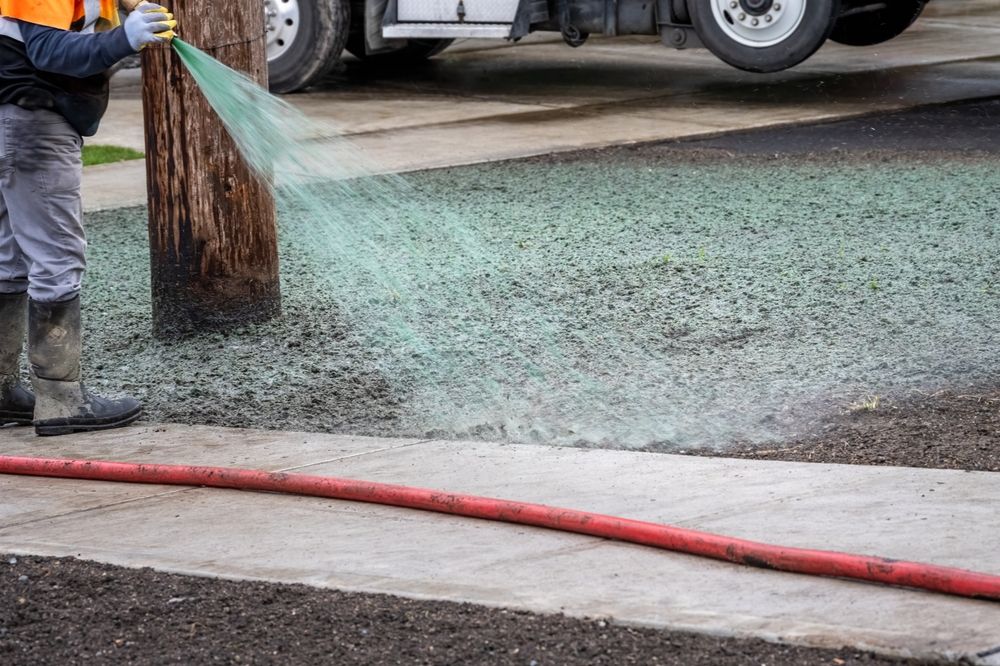
After the slurry is applied and the tackifier cures, the visible result is a consistent green-tinted mulch layer across the treated area—that color indicates the tackifier has bonded the material to the surface. As germination proceeds over the following weeks, what you will notice is a thinning of the mulch layer as vegetation pushes through and, on slopes that were actively eroding before seeding, the absence of new rill cutting after rain events. That last detail—no new erosion channels forming—is the functional confirmation that the application worked.
Seed mix selection is not one-size-fits-all: a shaded wooded lot cleared of trees needs different species than an open sunny slope on a pasture parcel, and a mix designed for temporary erosion control has a different composition than one intended to establish permanent ground cover. Because Panczak Dirtworx operates in an area where both newly cleared wooded parcels and open farm ground are common, the site conditions should be discussed during the estimate so the mix matches the exposure and end use.
Common Questions About This Service
These questions address how hydroseeding is applied, what preparation the ground needs, and what to look for as cover establishes on graded and disturbed ground in and around Patton.
What does surface preparation before hydroseeding actually involve?
The crew loosens the top layer of compacted soil and clears surface debris so the seed has direct contact with the seedbed rather than sitting on a sealed crust or tangled material. On slopes graded by heavy equipment, that sealed surface is nearly always present and needs to be broken before seeding.
How does the tackifier in the slurry protect the application on steep slopes?
The tackifier acts as a bonding agent that adheres the mulch layer to the soil surface once it cures. Without it, the mulch—and the seed embedded in it—is vulnerable to being displaced by the first significant rain, which is particularly critical on slopes steeper than about three to one where sheet flow velocity is high.
Why does seed mix selection matter for newly cleared wooded lots versus open farm parcels?
Cleared wooded ground typically has partial to heavy shade from remaining trees or debris and retains more moisture than open slope, which favors shade-tolerant grasses and legumes. Open sunny slopes on farm parcels call for drought-tolerant species that establish quickly in full exposure. Applying a standard open-ground mix to a shaded site produces thin, patchy cover that struggles through the first season.
What visible signs confirm that the hydroseeding application is working correctly in Patton-area conditions?
A uniform mulch layer with consistent color across the treated area indicates good coverage and tackifier cure. As weeks pass, germination should appear evenly distributed rather than in isolated patches, and slopes that were rilling before treatment should not show new channel formation after normal rain events.
How soon after grading should hydroseeding be applied?
The shorter the window between final grade and seeding, the less erosion occurs on bare soil. On exposed slopes, even a week of rain events on unseeded ground can cause rill development that changes the finished grade. Coordinating grading and seeding through a single crew—as Panczak Dirtworx does—reduces that gap to the minimum the site conditions allow.
Panczak Dirtworx also provides hydroseeding in Ebensburg, Carrolltown, Loretto, and Hastings. Call (814) 505-8448 to discuss your site's slope, exposure, and ground condition and get an estimate that specifies the seed mix and application rates for your project.