
Ponds Built on Working Rural Land
Pond installation in Patton for farm and homestead parcels that have never had a water feature or stock pond
A properly excavated pond on a rural parcel changes how the land functions—livestock can water from it, it provides a defensible water source for fire suppression, and on older farm lots it fills a role the original owners often planned for but never completed. Many rural parcels in Cambria County are older homestead and farm lots that were cleared and worked for generations without a pond ever being established, and adding one now involves more than just digging a hole in a low spot. The embankment has to be built and compacted correctly, the spillway has to be positioned to handle overflow without eroding the dam, and the grade has to drain in rather than away. Panczak Dirtworx handles that full sequence—excavation, embankment compaction, and final grading—with the owner operating the equipment on site.
Before any excavation begins, the owner visits the site and provides a free estimate, which is also when the basin location, planned depth, and embankment design are confirmed in relation to the natural drainage pattern of the parcel. The crew strips topsoil from the basin and embankment footprint, excavates to the planned depth, then builds the dam in compacted lifts rather than pushing material up in a single pass—compaction in lifts is what determines whether the embankment holds over time or settles and seeps. Outlet pipe placement and spillway grading are included in the scope discussion before work begins, and the estimate should state exactly what is and is not covered.
Request a site visit to review your parcel's drainage pattern and confirm what the pond installation will include from basin to spillway.
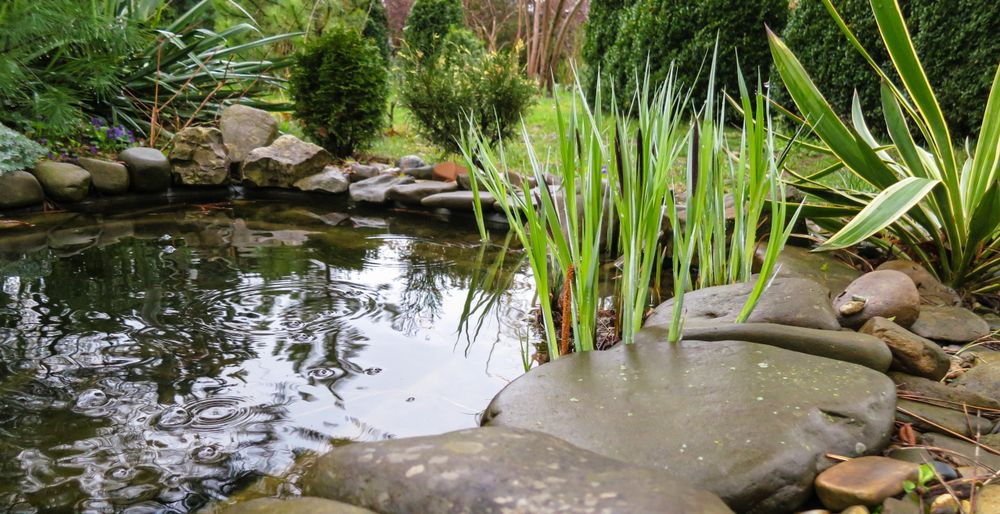
What the Installation Process Actually Accomplishes
The difference between a pond that holds water reliably and one that seeps out or fails at the embankment almost always comes down to two things: how the dam material was compacted and whether the spillway was sized and graded correctly for the watershed above it. Compacting the embankment in lifts—typically with a dozer or compactor making multiple passes at controlled lift thickness—builds density through the full depth of the dam rather than just at the surface. A single-pass push creates a loose core that water will migrate through over time, which shows up as seepage at the toe of the dam or a gradual drawdown that never stabilizes.
Once the basin is established and the embankment is complete, the finished pond will hold at the design waterline, the outlet pipe will discharge at a controlled rate that prevents overtopping, and the spillway will carry storm flow away from the dam face without cutting a new channel. On older farm parcels where the natural drainage is already established, the surrounding slopes should be seeded promptly to prevent the exposed soil from silting the new basin before vegetation takes hold—Panczak Dirtworx operates with grading and seeding on the same crew, which allows that step to follow excavation without a scheduling gap between contractors.
Pond projects on wooded or partially cleared lots may require selective clearing before the basin footprint can be established, and whether that clearing is included in the excavation estimate or handled separately should be confirmed in writing. The outlet pipe specification—diameter, material, anti-seep collar if required—also needs to be settled before digging begins because changing it mid-project affects the embankment design.
Answers About How the Work Is Done
These questions address the practical decisions involved in building a farm or homestead pond on rural land in and around Patton, where older parcels and natural drainage patterns shape how each installation gets scoped and sequenced.
Why does embankment compaction method matter so much for a pond?
An embankment built in compacted lifts develops uniform density from the base to the crest, which is what resists seepage. Material pushed up in a single pass is dense at the surface but loose through the core, and hydrostatic pressure from a full basin will find that weakness over time, leading to seepage or slumping at the toe.
How is the spillway location determined during site planning?
The spillway needs to sit at an elevation that allows overflow to exit before it overtops the dam crest, and it has to discharge onto stable ground or an armored surface that won't erode during a heavy runoff event. The natural drainage contours of the parcel determine where that exit point works without cutting a new erosion channel.
What should the written estimate specifically include for a pond project?
At minimum, the quote should identify the planned basin depth and surface area, whether topsoil stripping is included, how the embankment will be built and compacted, the outlet pipe specification, and what the spillway grading covers. Any clearing or fence removal needed to access the site should also be stated explicitly.
How does existing land use on older Cambria County farm parcels affect pond placement?
On parcels that have been farmed or grazed for decades, tile drainage lines may already run through potential basin areas, and those need to be located and addressed before excavation. Old fence lines, buried field tile, and legacy access roads all affect where equipment can work and what the basin footprint needs to avoid.
What should the finished basin look like before it begins to fill?
The basin floor should be at a consistent excavated depth with no large voids or root masses remaining, the embankment should be compacted to a finished crest elevation, and the spillway should be graded to discharge cleanly. Topsoil stripped from the footprint is typically stockpiled and respread on exposed slopes to support vegetation establishment.
Panczak Dirtworx also installs ponds in Ebensburg, Carrolltown, Loretto, and Hastings. Call (814) 505-8448 to schedule a parcel visit and get a written estimate that covers the full scope of your pond project.